How to Customize a Luxury Carousel Without Exceeding Your Budget
 dinomc
Customization is where a carousel budget quietly grows. A different colour is cheap; a new horse mould is not. A themed canopy panel is affordable; a full bespoke art programme is a different project. The skill is knowing which changes deliver visible value and which only add engineering time.
This article explains how to customize a Amusement park luxury carousel ride for sale without losing control of the budget, and how to structure the decision so the design and the cost move together.
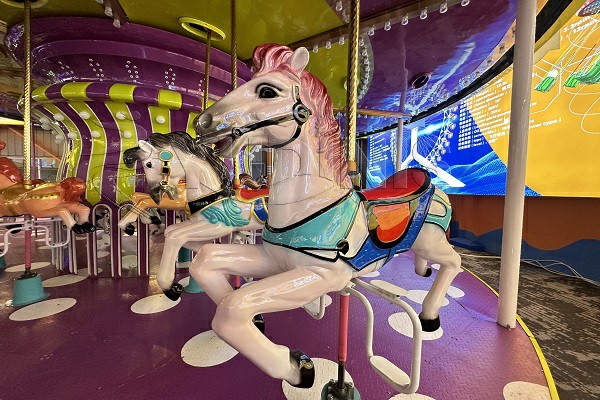
What Can Be Customized
| Element | Typical cost impact |
|---|---|
| Colour scheme and paint finish | Low |
| Canopy panel graphics | Low to medium |
| Horse and carriage mix | Medium |
| Lighting package | Medium |
| Music and sound system | Low to medium |
| New horse mould or sculpture | High |
| Bespoke canopy structure | High |
The table is the key planning tool. Most projects can achieve a distinctive look using only low and medium impact items; the high impact lines should be reserved for one hero element, if any.
What Drives the Cost
New tooling
A new horse mould or bespoke carriage requires tooling, samples and production time. The cost is not only the mould itself but the engineering and testing that follow. If a theme can be expressed with existing horses plus custom paint, it is almost always cheaper.
Materials and finish
Standard fibreglass with UV-stable gelcoat is affordable. Metallic finishes, special textures or stainless detailing add cost. Stainless steel fixings and frames are worth specifying where the park is coastal or humid, because they reduce maintenance even though they add a little to the price.
Lead time
Customization extends the schedule. Every new component needs design, approval, production and testing. A project that needs to open for a holiday season should choose customizations that fit the production window rather than forcing a new mould into it.
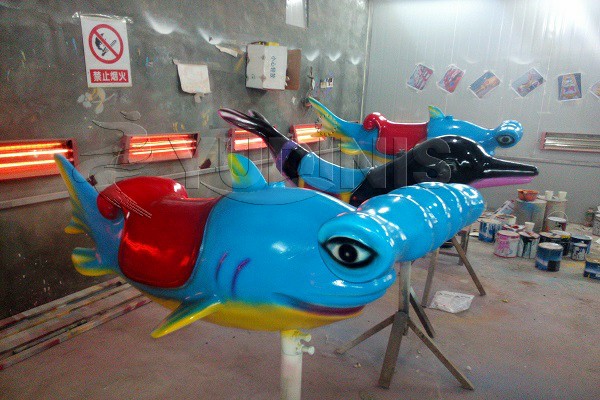
A Cost-Controlled Customization Approach
Fix the mechanical specification first, then treat customization as a separate package with its own budget. That way the ride price and the design price are negotiated separately, and a change in theming does not reopen the machine contract.
Prioritise what guests see: the canopy, the horses, the lighting and the station entrance. Guests rarely notice the drive system or the frame finish. Spend the customization budget where the photographs are taken.
Questions Before Approving Artwork
- Is this artwork applied to an existing panel or does it need a new mould?
- How many samples are included, and what happens if the sample is rejected?
- Does the finish carry a UV warranty?
- Does the change affect the production schedule?
- Is the artwork reproducible later if a panel is damaged?
Common Overspends
- Approving artwork without knowing the tooling cost
- Changing horses after the mould is ordered
- Specifying imported finishes that cannot be repaired locally
- Adding lighting without checking the power supply
- Rushing a custom element and paying expedite fees
An Example Budget Split
On a mid-size carousel, a reasonable customization allowance is 8 to 15 percent of the ride price. Within that, roughly half goes to visible paint and graphics, a quarter to horses and carriages, and the remainder to lighting and small structural changes. If a new hero element is essential, it should be planned as a separate line rather than squeezed into the allowance.
The operating side matters too. A carousel operating cost estimate should include the cost of maintaining the custom finish, not just applying it. Custom parts that cannot be replaced locally become a long-term cost.
How the Theme Affects Maintenance
Customization is not only a purchase decision; it is a maintenance decision. Detailed carvings, fabric panels and complex lighting all collect dust and need cleaning. Finishes that cannot be touched up locally will look tired after two seasons. Before approving a design, ask how each custom element will be cleaned, repaired and replaced.
The best customizations are visually distinctive and operationally simple. A strong colour scheme and a well-designed canopy graphic often deliver more impact than a complicated sculpture that needs specialist maintenance.
Working with a Designer
If you use an external designer, give them the manufacturer's drawing early. A design that ignores the platform diameter, canopy structure or swinging clearance will need to be redrawn, and redrawing costs time. It is also worth asking the designer to produce a costed bill of materials alongside the visuals, so the budget conversation happens before the artwork is approved.
A single review round with the manufacturer and the designer together is usually cheaper than several rounds of separate feedback.
Finally, keep a copy of the final artwork files and colour references. When a panel is damaged in year four, the park that can reproduce the original finish will repair it in weeks rather than redesigning it.
Frequently Asked Questions
Can I customize colours without new tooling?
Yes. Paint and gelcoat changes are the cheapest form of customization and usually deliver the largest visible impact.
How long does custom artwork add?
Typically two to four weeks for panel graphics, and longer if new moulds or structural changes are involved.
Should I choose a theme or a colour scheme?
A colour scheme is lower risk. A theme works best when it can be expressed with existing horses and carriages plus custom paint.
Next Step
Send us the theme or colour direction you have in mind, and we will classify each idea by cost impact before any artwork is approved. Our carousel horse and carriage options team can also advise on Dinis ride factory options, and as a park attraction supplier we can quote the customization package separately from the machine. To check what is possible, check availability.
