What Makes an Outdoor Unpowered Amusement Park Suitable for Hot, Rainy, or Coastal Climates?
 dinomc
Unpowered parks look simple on a plan, but their materials and layout decide whether they still look new after ten years of sun, monsoon rain, or salt-laden coastal air. Operators in demanding climates cannot copy a design from a temperate region and expect the same lifespan. This guide explains what makes an outdoor unpowered park for coastal climates durable, comfortable, and profitable in hot, rainy, or seaside locations.
Choose the Right Materials First
Heat and humidity attack cheap finishes quickly. Steel components should be hot-dip galvanized or powder coated, fasteners should be stainless steel, and play structures should use UV-stabilised plastics, aluminium, or marine-grade rope. Timber, if used, needs pressure treatment and regular oiling. The difference in purchase price is small compared with the cost of replacing faded, cracked, or corroded equipment within the first five years, so a weather-resistant unpowered park design always starts with specifications rather than decoration.
Design Shade and Cooling into the Layout
In hot climates, shade is not a comfort feature; it determines how long families stay. Canopies, shade sails, pergolas, and mature trees reduce surface temperatures on slides and decks, protect children from direct sun, and make benches usable at midday. Water play areas, misting points, and drinking fountains extend dwell time further. Plan shaded seating beside every major play zone so parents remain comfortable while supervising. Night-time operation, with lighting and extended opening hours, is often the most profitable response to extreme heat.
Drainage for Rainy Seasons
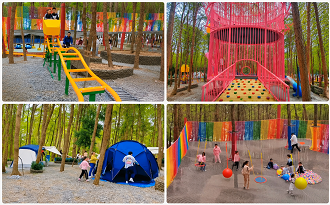
Rainy climates demand that water leaves the site quickly. Design positive drainage away from equipment, use permeable or rubberised surfacing, and raise platforms above the surrounding ground level. Avoid natural hollows where water can collect and mosquitoes breed, and choose slides and climbing structures with drainage holes so that water cannot stand inside components. In regions with typhoon or monsoon seasons, secure or removable shade elements prevent storm damage, and a completed reference such as the 12000sqm outdoor park project shows how large unpowered sites handle heavy rainfall through zoning and surface choice.
Coastal Air and Corrosion Protection
Salt accelerates corrosion on every exposed metal part. For coastal parks, specify marine-grade coatings, stainless hardware, and aluminium rather than untreated steel. Rinse high-exposure equipment periodically, inspect joints and anchor bolts each season, and keep painted surfaces intact because small scratches become corrosion points in salty air. Sand management is another coastal issue: design clear paths between the beach and the playground, and use surfaces that do not trap sand in moving parts.
Maintenance Planning for Extreme Weather
A practical maintenance calendar should follow the climate, not the financial year. Before the rainy season, check drainage, tighten fixings, and confirm that covers and shade sails are secure. Before the hot season, inspect UV-exposed plastics, lubricate moving parts, and test water play systems. After storms, inspect the entire site for damage, debris, and loosened anchors. Trained staff and a simple checklist prevent small climate-related problems from becoming closures.
How Climate Affects Investment and Lifespan
Climate-ready specifications increase initial cost slightly but extend the service life of equipment and reduce emergency repairs. Operators should model lifetime cost rather than purchase price, and choose a supplier with experience in similar conditions. Because unpowered attractions have no motors or ride cycles, the main wear comes from weather; controlling that variable is the single biggest factor in the return on investment.
Whether the site is tropical, coastal, or monsoon-affected, the same principles apply: specify durable materials, provide shade and drainage, and plan maintenance around the seasons. Work with an experienced Dinis outdoor park supplier that can advise on climate-appropriate equipment, and study the standards behind a modern outdoor play area to align safety with comfort. To discuss layouts, materials, and budgets for your climate, visit https://themeparkprojects.com/outdoor-unpowered-amusement-park-solution/ and request a tailored proposal.